
Psychiatry is the branch of medicine concerned with the diagnosis, treatment, and prevention of disorders of thought, emotion, and behavior. Psychiatrists evaluate both the mental and physical aspects of psychological problems and apply the treatment that best meets the individual’s needs.
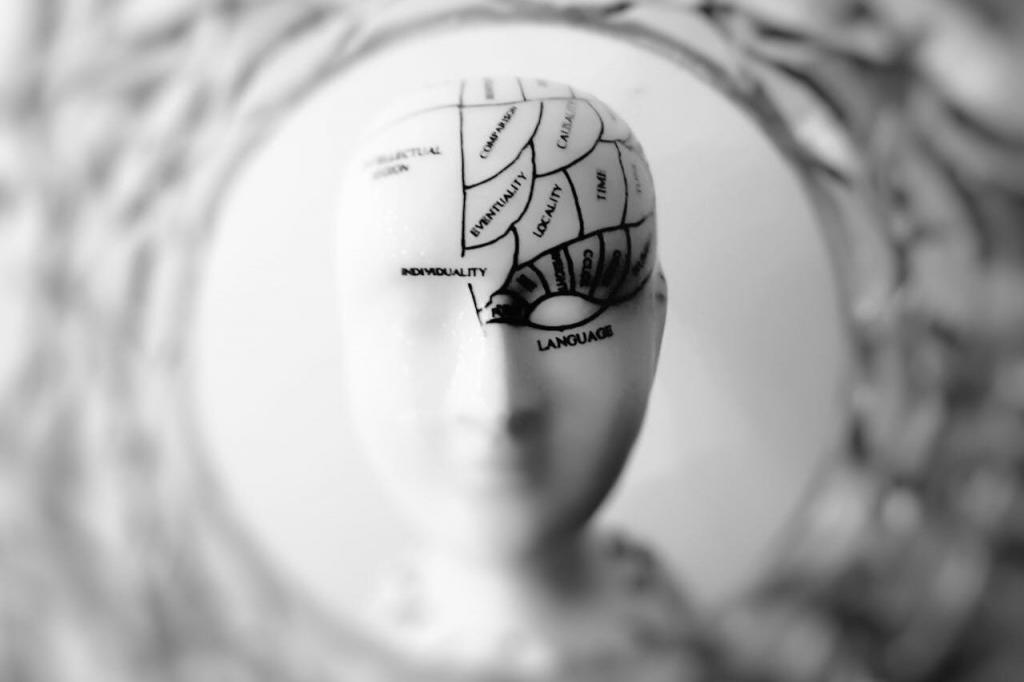
Throughout the history of psychiatry, the definitions made regarding this field have partly contributed to the development of incomplete or incorrect beliefs about psychiatry. Among all medical specialties, it would not be an exaggeration to say that psychiatry is perhaps the field in which the greatest number of misconceptions have emerged.
The process of naming the discipline has also played a role in the development of these misunderstandings. Although the word “psyche” has many meanings in its translation from English, rendering it solely as “soul” led to the term “Mental Health and Disorders.” This, inevitably, caused some people to develop thoughts such as, “I’m not mentally ill—why should I consult this specialty?”
This perception can lead individuals to develop an undesirable resistance toward psychiatry. Indeed, the belief that consulting a psychiatrist is something to be ashamed of is still widespread in society. Even in today’s information age, the continued presence of people who believe that psychiatry deals only with the treatment of severe mental illnesses—and who maintain this resistance—may stem from psychiatry’s difficulty in adequately expressing itself to the public.
Today, however, it is clearly known that problems in thoughts, emotions, attitudes, and behaviors originate from disruptions in brain functions. Scientific studies have demonstrated that such dysfunctions can be treated with medication, a combination of medication and psychotherapy, or psychotherapy alone.